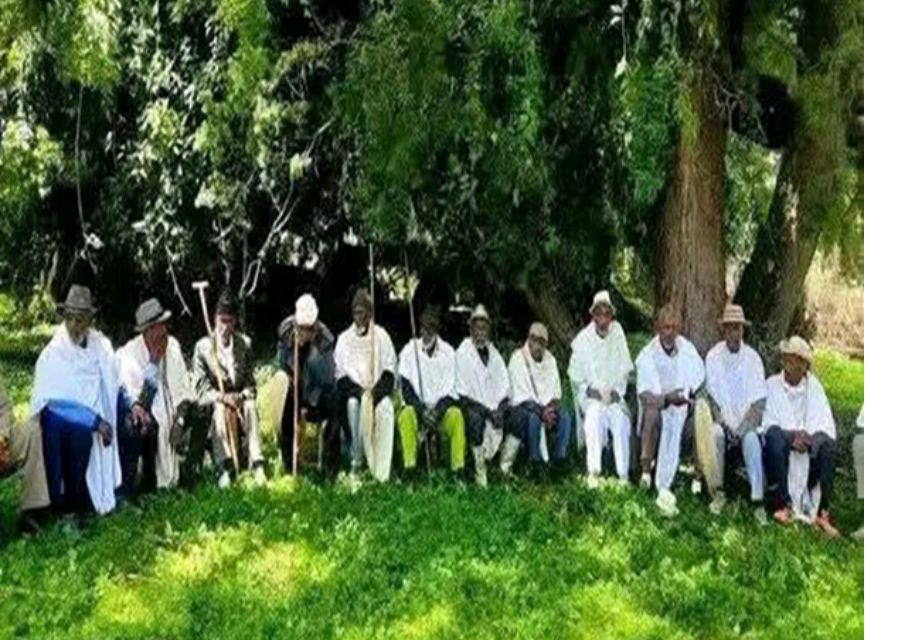
Indigenous Governance and Conflict Resolution Systems: In the Butajira–Silti region, indigenous governance systems were deeply embedded in communal life, relying on councils of elders and ritualized institutions to maintain order and social cohesion. Amon
Indigenous Governance and Conflict Resolution Systems: In the Butajira–Silti region, indigenous governance systems were deeply embedded in communal life, relying on councils of elders and ritualized institutions to maintain order and social cohesion. Among Silti communities, the Shengo (council of elders) served as the primary decision-making body, overseeing land allocation, water management, inter-clan disputes, and ritual obligations. Its authority was rooted in ancestral lineage, customary law, and communal recognition, allowing it to mediate conflicts effectively and sustain social harmony.
In the Guraghe communities of the Butajira area, the Ferageznga, Gordena and Sinano Sera institution played a similar role. Elders acted as mediators in disputes or conflicts often arose from competition over fertile farmland, grazing resources, water, livestock, trade rights, and family inheritance, as well as breaches of social obligations or marital arrangements. These indigenous institutions addressed these disputes using structured negotiation, symbolic acts of reconciliation, and community participation. Other mechanisms included ritualized assemblies, oath-taking on sacred sites, and ceremonial feasts, all designed to restore relationships and prevent escalation of conflicts (Hussein. These institutions demonstrate the integration of governance and cultural norms, blending spiritual, social, and political authority into practical mechanisms for dispute resolution.